I just purchased a Cares harness for long haul flight from New Zealand to Ireland with 2 children on my own. I wanted to avoid lugging the bulky carseat around airports esp as I haven’t got the spare hands! Air NZ specify the cares harness but unsure of Aer lingus, where can I get a letter for crew if I come across any problems?
Many thanks.
Ben @ Travel Toddler said: December 6 2011 11:07 AM
Hello Jude,
Thanks for your CARES query and your order, the parcel will be shipped to you today.
The best approach with Aer Lingus seems to be the approach followed by a customer recently on the USA CARES facebook page. Back in Sept 2011 they said they emailed Aer Lingus saying they were using the CARES and received the following email:
New Aer Lingus statement:
AMSAFE CARES harnesses are permitted on board, but not as the primary restraint. The harness must be used in conjunction with the aircraft seat belt.
Harnesses by other manufacturers such as CRELLING require special Irish Aviation Authority authorisation. This authorisation requires some extra time to arrange, therefore passengers who require such a harness should contact Aer Lingus special assistance; specialassistance@aerlingus.com as soon as possible in advance of the flight. The make and model of the harness should be included along with details of any other particular requirements.
The CARES customer then received a further Aer Lingus email:
And my final follow up-Received an email this morning from aer lingus stating CARES is permitted and that cabin crew have now been made aware and given instruction on how to use it. This is from the Aer Lingus head office in Dublin.
It’s also worth noting that Aer Lingus are not very clear with their car seat approval process either and seem to leave it at the discretion of the staff on the day. This is from their website:
Please be advised that with the number and variety of infant car seats available on the market it is not possible for us to guarantee in advance that any particular seat is suitable for use. In the interests of safety, Aer Lingus reserves the right to refuse permission for the use of certain types of car seats on the aircraft or during take off and landing. In these circumstances the infant must be carried on the adult’s lap (under 2 years) or in a seat using the standard lap belt (2 years and over). Safety is always our first consideration.
We’d recommend taking a copy of our airline list (attached) that shows what our local airlines say on their website about the approved use of CARES. Also, try and have it noted on your booking that you intend to use the CARES harness. Also, show any curious airline staff the tag on the CARES unit that states FAA approval and “Approved for Aircraft Use”.
Excerpt “10. Finally, among unusual new travel products is something called “CARES” (Child Aviation Restraint System), a harness-like seat belt for children under the age of 3 who also weigh less than 40 pounds. It’s an alternative to the child seat, and weighs only 1 pound.”
Arthur Frommer is the pioneering founder of the Frommer’s Travel Guide book series. He co-hosts the radio program, The Travel Show, with his travel correspondent daughter Pauline Frommer. Find more destinations online and read Arthur Frommer’s blog at frommers.com
Little Gulliver had a lovely phone call from Doug, who pilots his own light aircraft. He is looking into safety on board when he takes his grandchildren on a trip. The CARES will be used for the older children, but what are the best options for the baby (then aged approximately 3 months old)? The aircraft does not have bassinets installed.
Ben @ Little Gulliver said: March 3 2011 1:18 PM
Hello Doug,
Thanks for visiting Little Gulliver and your query on Tuesday. I spoke to Donna, our chief researcher, and your findings are in line with our understanding.
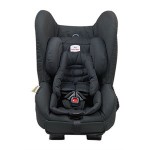
For children over 1, the only two child restraint options for use in all phases of flight are an Australian standard car seat (AS 1754) or CARES restraint. Although, for an Aust. car seat to comply, the airline must be willing to provide the 3rd overhead tether belt which may then restrict the use of any tray table directly behind the child’s seat and also limit feet rest area for the passenger behind. Each car seat will carry a different height and width dimension and this is why the airlines still have a policy of needing the exact make and model of the seat to cross check with the type of airline seat the child will most likely use.
We do not have access to any lists of which carseat is suitable for which airline seat unfortunately. For your particular aircraft, any Australian approved car seat that fits your seat configuration should provide a compliant seat for your baby passengers who are too young for a CARES. It will need to be setup in the window seat or bulkhead seat so it does not impede other passenger’s ability to move about. One brand we’ve seen mentioned is the Britax Safe N Sound Compaq car seat. The other brands I’d seen mentioned are US standard only so not available for use out here.
Additionally, airlines traditionally only recognise the car seat safety standard requirements of the country they are registered in, so US airlines will be OK with US standard car seats but not allow Aust standard ones on board. This makes it very difficult if travelling across multiple airlines for any overseas travel.
For a baby flyer, the options are even more limited. The infant lap belt is common on Australian airlines but banned in other parts of the world. Evidence appears to show them as relatively ineffective in certain circumstances too. A baby can be in a bassinet arrangement if under 3 months old, but you indicated this isn’t relevant for your charter craft. A suitable car seat or the infant lap belt are the only approved item for such young flyers.
Here’s a couple of articles that may be of interest, apologies if you’ve come across them already. Flying with babies – this is an article Donna published on our blog. This article also links to a Flight Safety Australia Fly Baby Fly discussing babies on board (it was published in 2004, but there appears to have been little progress on the issue since). We also list the links to the latest child restraint policies for most local airlines here.
I hope this helps, please let me know if I can assist with any other queries.
It will be our first time taking our 14 month on a plane to USA. Any tips for the such long flight would be a great help?
Donna @ Little Gulliver said: February 22nd 2011 1:02 PM
Hi Chantelle,
How lovely! At 14 months the little ones can be so different, some are up and about, on solids, breastfeeding or bottle. Travel tips can also depend a little on whether you’re travelling alone or with your partner. Other things can make a difference, such as whether you’re travelling on a holiday or visiting family (who may be able to have some goodies available for you on arrival). So, I’m giving a few general tips which I’ve found useful… I’m guessing though that you are travelling with your partner, as you said ‘our first time’. This can make it easier, as that extra pair of hands is handy for a break for yourself, or even if your child needs a cuddle just as your meal arrives. On the other hand travelling alone with a toddler is ideal, as they really just want to be with you and its a great reason to enjoy some time together while you’re catered on!
You may have already looked at our shop by age category and flying with babies article. It may be worth a look if you haven’t, even though you’ve moved into the toddler years. Also, think about whether you may prefer a bassinet on board and consider booking one if you can. Think about whether booking a bassinet means your seat won’t recline and if that is OK with you. (In most aircraft the row of seats where the bassinets are don’t recline). It will also depend on the weight of your child, you may find you’re past the bassinet range on your airline.
Seating-wise, some parents opt to book a seat for their child, even if they don’t need to for the under 2’s. Alternatively you may also find yourself with a spare seat, which will allow you some extra room to spread out. At 14 months your child may be around 10 kilos, in which case the CARES harness is also an option (recommended for use with children weighing between 10-20 kilos). Much like a carseat does in a car, the CARES is attached to the aircraft seat and provides upper torso support. Some parents like it as it is more difficult to wriggle out of than the aircraft seat belts!
You may like to think about the layout of the plane – is there a particular location you may like, such as closer or further from the toilets etc. www.seatguru.com is a helpful resource for that as it shows the layouts of the aircraft. I generally like to sit on the aisle, as it is easier to get in and out with the little ones.
I have always found a Baby Carrier (like a Baby Bjorn or Infantino) for boarding and disembarking the
Portable baby chair
plane really handy, depending on how big your toddler is now. Your child may be up and about already and too heavy! I also love the smart nappy bag which can be worn as a satchel or as a back pack – perfect for when you have baby in a carrier on the front! It’s really handy when travelling. Check out www.LittleGulliver.com.au for other handy baby travel items such as disposable bibs (very popular) and (new to the market) disposable change mats. Consider a breastfeeding blanket, portable baby chair and perhaps a Pea Pod travel bed or a zoobie (plush toy, pillow and blanket in one).
Some people mention medicating children and problems with their ears and the like. While it is always a good idea to have some pain relief with you, just in case, I have never found this to be a problem. When I first started travelling I gave them drinks if they looked anxious on take off and landing, but now we just sing songs or look through a book (our youngest has just turned 2).
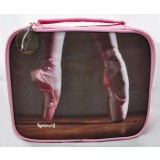
Food-wise, consider a good insulated lunch box and drink bottle. Take more snacks than you think
Spencil Lunch Box
you will ever need. Then, at the appropriate time, pick one out or let them choose one only. I find mine always pick the really unhealthy thing first and when travelling I think that is OK. You may be treated to some great things on the plane though. Mine couldn’t keep the smiles off their faces on the way to Cairns once, they were given the biggest ice creams they had ever seen!
Nappy-wise, go for nappy pants. If they are wet only, I find they are so much easier to get on and off as they can do it standing up. Take plenty of wipes as they’re handy for all sorts of things. I also use disposable nappy sacs for clean up, to move any sort of rubbish out of your seating area quickly and easily.
Activity-wise, take something you know your child will like and I always get something new – more interesting for both of you! Maybe try an Aquadoodle, colour wonder, play doh, chubbies (cars, planes). For some ideas on travel activities see Ten tips for keeping a toddler busy on a plane and my Top ten travel activities.
I’ve sprinkled a number of Little Gulliver products through here, not as an intentional plug, but we’re got so many great products on board its hard for me to give tips without recommending them!
I think the most important tip though – is to relax and enjoy the trip! I know that sounds obvious, but I know with myself I get really wrapped up with the details and it generally works out OK anyway! Having said that, it doesn’t hurt to expect some discomfort – either a plane will be delayed or you get a headache or something…it is surprising how much more prepared for things you can be if you’ve considered it beforehand. And since you’ve emailed us, you’re obviously thinking about it, so are likely to be very organised!
I use a great nappy bag, it’s a satchel style by day and converts to a back pack – ideal when travelling with a baby. Strap your baby into an Ergo Baby, put your back-pack on and you’re set to board (and have a free hand if you have toddlers). Together, these work really well in smaller airports where boarding and disembarking may entail a number of stairs.
The gear
Our ‘baby’ is 18 months old now, so our nappy bag also has his lunch box with snacks.
One back pack, comfort toy and lunch box each for 3 & 4 year old. They’ve each travelled with their own back pack from 2’ish
Heinz disposable bibs for baby and Sticky fingers wipes
Drink bottle each
a selection of Crayola or other colouring books and large washable crayons (comes in an 8 pack so I’m covered if some get lost or roll down the plane aisle)
Medibuddy
Back Packs
Our 3 and 4 year old carry their own back-packs and have been comfortable to do this from around 2+. I have read other people suggesting that kids wont carry their own backpacks and that you’ll end up carrying them yourself? I haven’t had this problem, my kids love their backpacks and insist on having them on. I’ve found it’s all about routine.
Little Beetle backpacks are strong, lightweight and include a pop top drink bottle!
We range the Little Beetle backpacks because they fit all our criteria. They are gorgeous, comfortable and have lots of zip pockets. Easy to use for the kids and even come with a pop top drink bottle. Great quality, great designs.
In the kids back packs for these short flights I have a lunch box and a comfort toy. In the lunch box I always pack a few serviettes and numerous snacks. I generally let them pick “1” thing to eat at various intervals (otherwise they will just eat everything – been there, done that).
The comfort toy is seldom used, but handy to have in case they get sleepy or distressed. My eldest son is really keen on his teddy, but I asked my daughter to choose which toy she wanted to bring. So dolly is coming too.
For these ages I generally keep the play activities in my satchel. This way I can pass them out, based on timing in the flight and moods. It’s also easier to keep track on what they have. For older kids and longer trips I would keep a checklist of the activities we have with us (to make sure we don’t leave any) and only let the child use one or 2 at a time before putting away.
This is a short trip and we will be picked up at the other end by family. For longer trips I would look at Potette Plus (ideal to ensure you always have a clean toilet and no line up), colouring / sticker books, a selection of small cars or animals and I would consider a walking harness (especially when travelling with a baby and a toddler in busy areas like airports and shopping centres).
Little Gulliver have harnesses that range from wrist straps to cuddly toys. We understand that parents and children’s needs are varied and therefore have plenty to choose from.
Lunch Boxes
Drink bottle (water), serviettes, vegemite and cheese scrolls, pre-packed sweet biscuits, banana, apple and cheese sticks. This seems like a lot of food, but if you’ve read some of my other posts you will remember I have been stuck on the tarmac and run out of food on more than 1 occasion. Now, I pack big and limit ie – “you can pick 1 thing out of the lunch box now”. This seems to work well.
I also always try and travel over a meal time. I find having lunch or tea helps to pass the time. The scrolls work well, I usually have them ready frozen in the freezer to take out the night before. Of course you can buy food on the plane, but that just seems like extra work so I don’t tend to. Maybe when they’re older.
Vacuum -packed to save space and keep them fresh and clean
Now that our youngest is much more capable I carried him easily and use a satchel style nappy bag for him. Spare nappies, travel wipes, disposable change mats, disposable bibs and a lunch box full of snacks. I also put a snack for myself in his box. I have travelled before with no food for myself and then have been busy changing a nappy when the food cart went by or trying to stop someone from having a tantrum! And have arrived hungry with a headache!
Next instalment will be more about the flight – choosing flight times, airlines, boarding and using a CARES.
The CARES harness (A$99.95 at Little Gulliver) seemed like the perfect solution to my concerns about flying for the first time with my four-year-old son. While my son loves riding in the car and has never complained about sitting in his car seat (thankfully!),this would be the first time he would spend several hours on a plane. In particular, I was nervous about whether he would sit still with just a lap belt restraining him.
Installing the harness was easy, but required an awkward moment of asking the person behind us to move her tray table down while we installed the wrap-around strap. If my son had been seated on the aisle, this may have been an easier installation, but he insisted on sitting by the window. Installing the Cares Harness while kneeling on the middle seat and trying not to hit my head on the overhead bins was tricky. If there were some way for the system to work without having to bother another passenger, that would make it better.
Once that part was done, though, strapping in our son was a breeze. From that point on, the 4-point harness made my son feel like he was in his car seat at home rather than in an airplane. Well, apart from the clouds passing by the window to show we were in the air. My son really does enjoy being in his car seat, so we did not experience any problems with him getting antsy from being restrained by the Cares Harness. It also may have helped that this was his first flight and he knew no other way of flying. I would imagine that children who do not like being strapped in a car seat or who are used to flying with fewer physical restrictions may not appreciate this product in quite the same manner.
For the two-plus hour flight from Orlando to Boston, I was not interrupted by my son complaining about being buckled in, and he was much more contented than other children I witnessed climbing all over the aircraft without any seat belt being used except for takeoff and landing. I was actually very close to offering up the harness to the family aside of us who probably could have gotten much better use out of it than we did!
The belts used to create this harness are very similar to those used for the lap belts, so the system looks like it belongs on the plane. One might almost wonder why the airlines do not make these available to all families flying with younger children. It is a great concept that keeps kids safer than just using a lap belt. We chose not to bring our car seat with us on the vacation and this product allowed us to keep our son safe without the hassle of lugging onboard a car seat. We saw one family with twins carrying their car seats onto the plane, installing them, and then having to carry them out of the plane with them. It looked like way too much for anyone to handle at the airport.
The only problem I encountered with the harness was my husband and his unwillingness to let me use it on the flight down to Florida, as he did not want to let me ask the person behind me if I could move his tray table to install the straps.
For families that travel frequently with young children over age two (or under age two and using an individual seat), this is a great product if you’re willing to bother the person behind you for a moment to install the Cares Harness. The price of $US 69.70 for the CARES harness is a little steep if you were planning to only use it once. With no visible expiration date, it certainly looks like it is made to last for a long time.
Here’s a quick summary:
Pros:
Only FAA certified alternative to a car seat
4-point harness that’s identical to your child’s car seat configuration
Durable material that’s made by the same company who makes airplane safety belts
Light (500 grams / 1 pound) and portable
You can check-in your 50 pound car seat instead of lugging it on board
Cons:
Simple to install, but requires an awkward moment when you ask the passenger behind your child to put their tray table down.
No straps between the legs (the 5th safety point), so the straps have to be very snug or else smaller kids may slide down or wiggle out
Red strap sometimes doesn’t align flush for curved back seats
A big price tag if you don’t fly often
This article was written by US parent Bostonmom for Trekaroo.com.
Great news for CARES users flying Air New Zealand!
Though the CARES is approved for use with Air NZ, we have been canvassing the airline to update their child restraint policy online, to specifically mention CARES. Today they have advised they will be doing so, joining other local airlines such as V Australia and Qantas.
Slowly but surely it’s becoming easier for young families to travel safely, and we’re progressing one airline at a time, and are thrilled with this result. Well done Air New Zealand! I’ll attach a link when it’s available.
I haven’t had any problems installing the CARES on Jetstar (I regularly fly domestic to visit family).
Sharon said: June 29th 2010 10:06 AM
Do you know if the cares harness goes under or over the tray tables on the jetstar planes (domestic flight) as I think their setup is a little different to Qantas planes
We flew Qantas with it last time and while we had to argue several times that it was safe to use as the hostesses had never seen them before we were finally fitted ok, lucky we took the letter from CASA with us!
Do you have any tips for getting the info on the booking and then not having to repeat yourself a thousand times at the airport and again on the plane
Many thanks
Donna @ Little Gulliver said: June 29th 2010 2:13 PM
Hi Sharon,
I haven’t had any problems installing the CARES on Jetstar (I regularly fly domestic to visit family). I’ve also listed the related Q&A, from the manufacturers website, at the end of this post.
That’s great that you were able to use it on Qantas. I’m sorry you had to be persistent though, that can be tiring! I have been using it for 2 years+, mainly on Qantas, Virgin Blue and Jetstar. I would say I have had no problems. When boarding I explain I have a CARES harness & I carry the CASA letter with my boarding pass. If they look bewildered I explain that it is fully CASA/FAA approved & show them the letter. I suggest that I will install it and invite them back to have a look at it then. Once they see it they have been fine (even complimentary) about it.
I would say though that the recognition with the flight crew is certainly improving. I have been told the flight crew are trained on its use, but it depends on when they last did the training etc. Also, we’ve successfully worked with Qantas to update their website, which now specifically mentions CARES. This can be seen here under Child Restraint Devices; http://www.qantas.com.au/travel/airlines/travelling-with-children-infants/global/en. Your next Qantas flight should be easier!
With relation to Jetstar, we recently had a Little Gulliver customer phone us, after some frustrating Jetstar phone calls. She was wanting to get the CARES listed on her flight booking, as you have mentioned. So, we put it to the test and phoned ourselves (we have a Jetstar trip coming up). We explained it is CASA/FAA approved and TOLD them to add it to the booking as we WILL be using it. This may sound a bit harsh, but as it is fully approved I feel confident in doing this. So, I guess my tip is to sound confident, stress that it is fully approved, manufactured by Amsafe and that you will be using it. Please add it to the booking! Having said that, I’ve used it and never (until now) had it added to the booking. But I can see that it could make it easier.
There is a happy ending though. We canvas the airlines regularly about updating their policies and websites to get the information out there and make life easier for us all. Jetstar has been our main focus in previous months and there is some good news coming up! Watch this space.
Finally though, I have generally been able to use CARES without flight crew barely giving it a second glance. Sometimes I think their main concern is doing their final check (before takeoff) and noting that the waist belt is done up and that our bags are stowed correctly!
I’ve waffled a bit, but I hope it helps & let us know how you go. Comments from other users most welcome.
Q. Does CARES affect the operation of the tray behind the child’s seat?
A. No. Ensuring that CARES did not adversely affect the functionality of the tray was an important FAA criterion for certifying CARES. The tray is lowered only while the red webbing loop is adjusted around the seat, and then is closed and locked in place, covering up the CARES loop. CARES does not affect the functioning or use of the tray. Using the tray doesn’t affect the safety or functioning of the CARES restraint.
In some older style seats found occasionally on small planes, the tray fits into a plastic cavity with recessed sides. In these the CARES red loop, when pulled taut, could prevent the tray from closing securely. In this case, the CARES loop should be installed around the seat and OVER the stowed tray for taxiing, take off, and landing. (See FAA Advisory Circular 120-87B “Use of Child Restraints on Aircraft”, which can be found in the “In-flight Documents” section of this website http://kidsflysafe.com/instructions/in-flight-documents/)
The tray table behind your child’s seat is lowered while installing the CARES. After the red strap is in place the tray table can then be closed again, over the strap. Its doesn’t impede the use of the tray table at all!
Kylie said: June 28th 2010 8:37 AM
Hi
I am very interested in the CARES travel harness for my 2 yo. However it looks like the harness would effect the lowering of the tray for the passenger seated behind my daughter. Is this a possibility or has this been taken into account in the design?
Donna @ Travel Toddler said: June 28th 2010 2:42 PM
Hi Kylie,
Good question, it does look like it could effect the tray table & you’re not the first to ask! Actually, you do lower the tray table behind your child’s seat while installing, as you suggested. After the red strap is in place the tray table can then be closed again, over the strap. It actually doesn’t impede the use of the tray table at all and has been extensively tested by the manufacturer.
I’ve included a step by step installation guide below, with some photo’s. I’m hoping the photo’s make it easier to understand than my rambling!
Also, you may be interested in a previous post which shows video of how it is installed. It can be viewed here.
Step One:
Seat your child in the aeroplane seat they will occupy.
Step Two:
Lower the tray table behind your child’s seat.
Step Three: Slide the RED LOOP of the CARES restraint over the seat back, adjust the height of the RED LOOP so it is just above your child’s shoulders and tighten it. Then close the tray table (covering the Red Loop).
Step Four:
Place the BLACK SHOULDER STRAPS over your child’s shoulders. Slide both ends of the aeroplane seat belt through the loops at the bottom.
Step Five:
Buckle the seat belt and pull it snugly across your child’s lap, as you normally would do. Then buckle the chest clip (adjust the height – so it fits comfortably over your child’s chest if necessary).
That’s it, the CARES is installed! CARES is recommended for kids in their own seat weighing between 10 – 20 kilos and up to a metre tall. It is certified for used during all phases of flight; taxiing, take off , cruising and landing.
Anything I’ve missed or any other comments are most welcome.


 For children over 1, the only two child restraint options for use in all phases of flight are an Australian standard car seat (AS 1754) or CARES restraint. Although, for an Aust. car seat to comply, the airline must be willing to provide the 3rd overhead tether belt which may then restrict the use of any tray table directly behind the child’s seat and also limit feet rest area for the passenger behind. Each car seat will carry a different height and width dimension and this is why the airlines still have a policy of needing the exact make and model of the seat to cross check with the type of airline seat the child will most likely use.
 Additionally, airlines traditionally only recognise the car seat safety standard requirements of the country they are registered in, so US airlines will be OK with US standard car seats but not allow Aust standard ones on board. This makes it very difficult if travelling across multiple airlines for any overseas travel.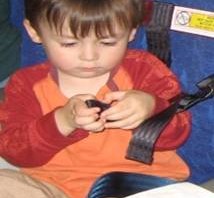
 I’m guessing though that you are travelling with your partner, as you said ‘our first time’. This can make it easier, as that extra pair of hands is handy for a break for yourself, or even if your child needs a cuddle just as your meal arrives. On the other hand travelling alone with a toddler is ideal, as they really just want to be with you and its a great reason to enjoy some time together while you’re catered on!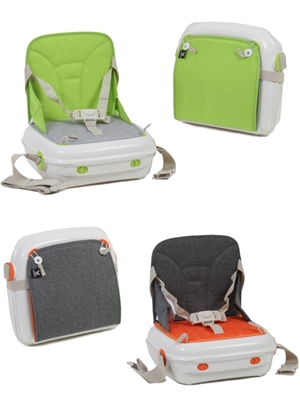


 with younger children. It is a great concept that keeps kids safer than just using a lap belt. We chose not to bring our car seat with us on the vacation and this product allowed us to keep our son safe without the hassle of lugging onboard a car seat. We saw one family with twins carrying their car seats onto the plane, installing them, and then having to carry them out of the plane with them. It looked like way too much for anyone to handle at the airport.
 e calls. She was wanting to get the CARES listed on her flight booking, as you have mentioned. So, we put it to the test and phoned ourselves (we have a Jetstar trip coming up). We explained it is CASA/FAA approved and TOLD them to add it to the booking as we WILL be using it. This may sound a bit harsh, but as it is fully approved I feel confident in doing this. So, I guess my tip is to sound confident, stress that it is fully approved, manufactured by Amsafe and that you will be using it. Please add it to the booking! Having said that, I’ve used it and never (until now) had it added to the booking. But I can see that it could make it easier.


